
Timeline
Early Life
Laxman Nayak was born on 22 November 1899 in Tentuligumma village, located in the present-day Malkangiri district of Odisha. He belonged to the Bhumia tribal community, one of the prominent indigenous groups of the region. His birth took place during a period when tribal communities were facing increasing pressure from British colonial administration. Growing up in a modest tribal household, he was surrounded by strong cultural traditions and a deep connection to land and forests. His family and community lived simple lives rooted in agriculture and forest-based livelihoods. From his earliest days, he was introduced to the values of honesty, courage, and collective responsibility — qualities that would later define his leadership.
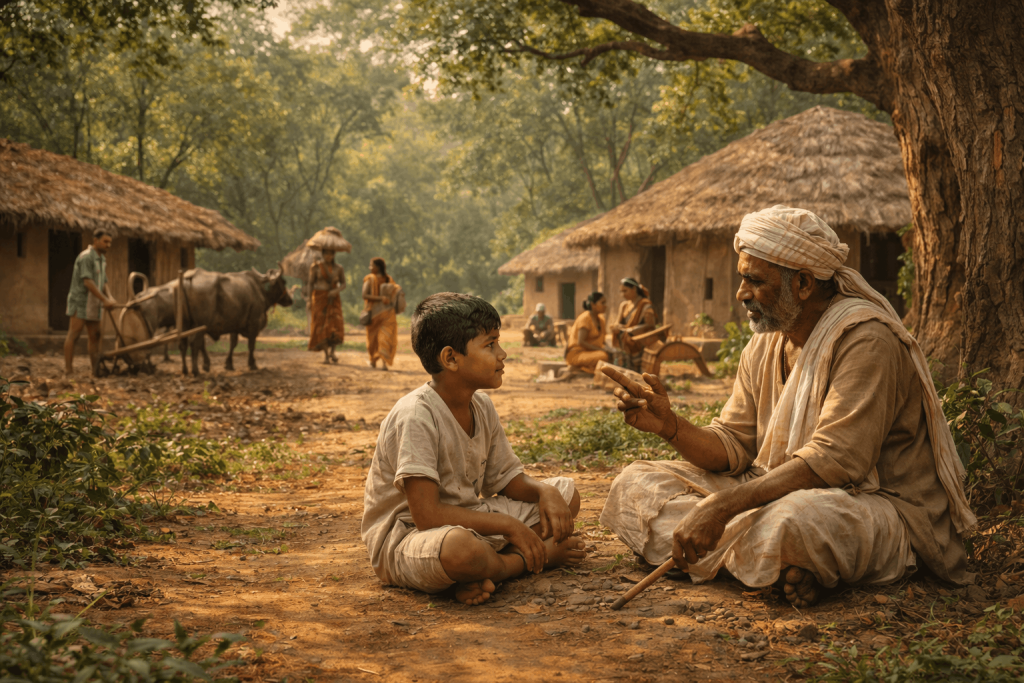
Laxman Nayak spent his childhood in a forest-based tribal society where nature was not just a resource but a sacred part of life. The forests provided food, medicine, shelter, and spiritual identity to the community. Tribal customs emphasized unity, cooperation, and respect for elders. Festivals, rituals, and traditional gatherings played an important role in shaping his understanding of community bonding and cultural pride. Oral storytelling and ancestral history taught him about the struggles and strengths of his people. These early cultural experiences instilled in him a deep respect for indigenous traditions and the importance of preserving them against outside interference.
Even as a young boy, Laxman Nayak displayed strong leadership qualities. He was known for his courage, discipline, and sense of fairness within the community. Elders recognized his ability to listen, unite people, and take responsibility. As he grew older, he became aware of the changing political environment in India. British policies such as forest restrictions, heavy taxation, and interference in tribal governance systems directly affected his community’s way of life. These realities shaped his mindset and gradually transformed him from a concerned tribal youth into a socially aware leader. He was also influenced by the broader Indian freedom movement and the teachings of Mahatma Gandhi, which emphasized justice, equality, and resistance against colonial rule.
Witnessing exploitation and injustice during his formative years deeply impacted Laxman Nayak. The restrictions on forest access, economic hardships, and loss of tribal autonomy created frustration among villagers. He began organizing discussions within the community, encouraging awareness about their rights and the need for unity. His early experiences helped him understand that the survival of tribal identity depended on collective resistance and strong leadership. This awakening marked the beginning of his journey as a freedom fighter. The values he absorbed in childhood — unity, courage, and cultural pride — became the foundation of his later role in leading tribal resistance movements.
Rise to Leadership
1915
Early Awareness
As a young tribal youth, Laxman Nayak began witnessing the impact of British forest laws and taxation on his community, developing
1925
Community Mobilization
He started organizing village meetings, encouraging unity among tribal communities and spreading about their rights
1935
Regional Leadership
Recognized for his courage and influence, he emerged as a prominent tribal leader, connecting local struggles with the broader
1942
Resistance Leader
During the Quit India Movement, he actively led tribal protests against British rule, firmly establishing himself as a fearless resistance leader.
1943
Martyrdom & Legacy
After being arrested for his role in the resistance movement, Laxman Nayak was executed by British authorities. His sacrifice transformed
Resistance and Sacrifice
Laxman Nayak played a crucial role in organizing and leading tribal resistance against British colonial rule. As colonial policies tightened control over forests, imposed heavy taxes, and disrupted traditional tribal governance, he mobilized his community to stand united against injustice. He encouraged peaceful protests, awareness campaigns, and collective action to defend tribal rights and dignity.
Despite facing arrest and harsh punishment, he remained firm in his beliefs and refused to abandon his cause. His ultimate sacrifice in 1943 turned him into a martyr of India’s freedom struggle. Through his resistance and sacrifice, Laxman Nayak became a powerful symbol of bravery, justice, and unwavering commitment to tribal sovereignty and national independence.
Legacy
Laxman Nayak’s martyrdom in 1943 left a deep and lasting impact on tribal communities and the broader Indian freedom movement. His execution by British authorities was intended to suppress resistance in the tribal regions of Odisha. However, instead of silencing the movement, his sacrifice strengthened the determination of the people. He became a powerful symbol of courage, justice, and unwavering commitment to freedom., His martyrdom inspired tribal communities to continue demanding their rights over land, forests, and traditional governance. Even after independence, his name remained closely associated with the struggle for tribal dignity and self-respect. His life demonstrated that indigenous communities were not passive observers in India’s freedom struggle but active contributors who sacrificed for national independence.Over the decades, Laxman Nayak’s legacy has continued to influence movements advocating for tribal sovereignty, forest rights, and cultural preservation. His story is remembered during public commemorations, cultural programs, and educational initiatives across Odisha and other tribal regions. Memorials and statues erected in his honor serve as reminders of his bravery and dedication. For younger generations, Laxman Nayak represents more than a historical figure — he symbolizes empowerment, unity, and pride in tribal identity. His life encourages communities to protect their heritage, defend their natural resources, and stand united against injustice. His enduring legacy continues to inspire efforts aimed at social equality, indigenous rights, and the preservation of tribal culture in modern India. Through his martyrdom and lasting influence, Laxman Nayak remains a beacon of resilience and a guiding force in the ongoing pursuit of justice and dignity for tribal communities.