
Tribal Resistance Movement
Overview
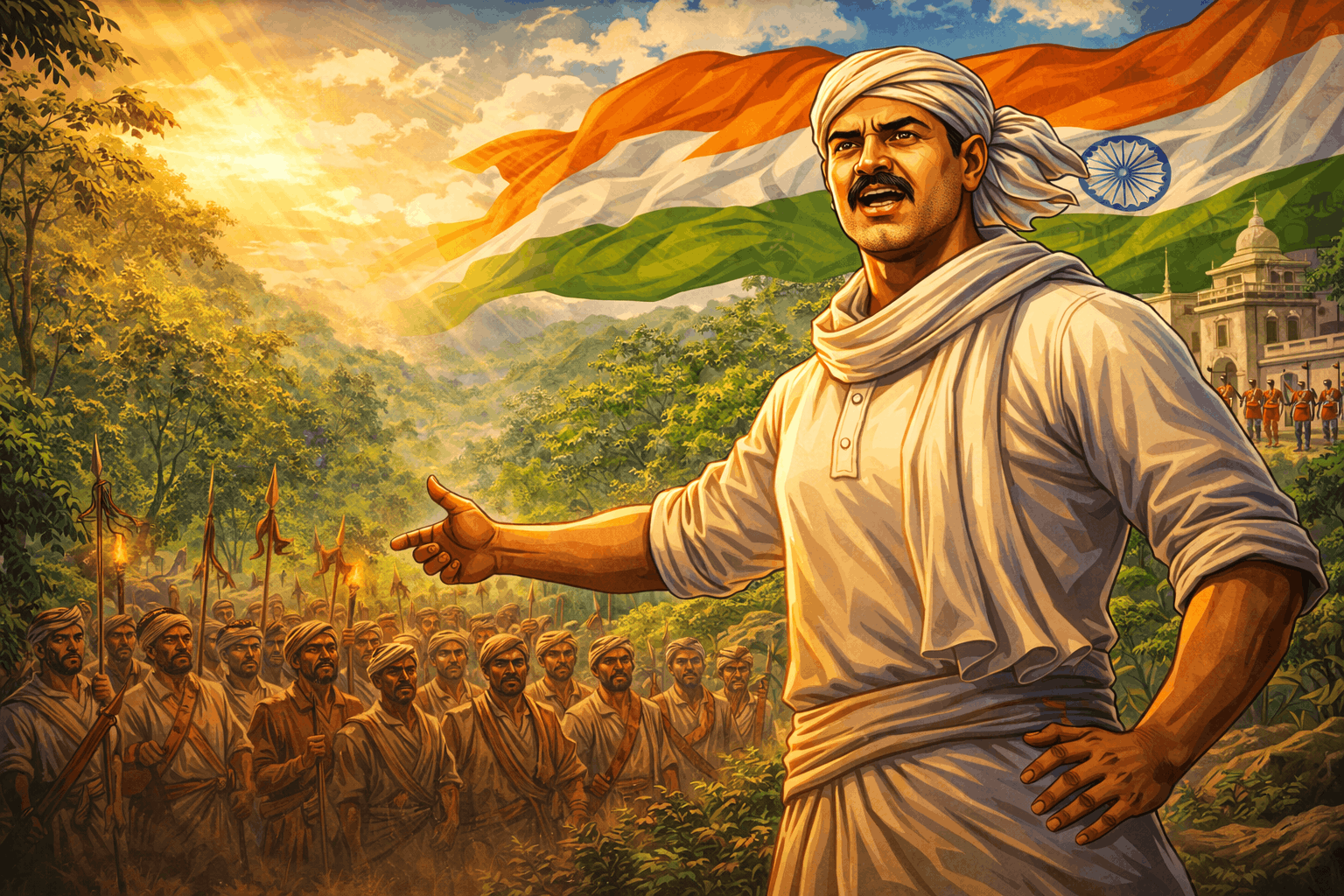
Laxman Nayak played a vital role in leading tribal resistance movements during the British colonial period in India. As a courageous leader from the Bhumia tribal community, he stood firmly against the unjust policies imposed by the British, including heavy taxation, forced labor, and restrictions on forest and land rights. He united tribal communities and encouraged them to protect their cultural identity, natural resources, and traditional governance systems. Inspired by the ideals of India’s freedom movement, Laxman Nayak organized peaceful protests and resistance campaigns to challenge colonial authority. His leadership gave strength and confidence to tribal communities, motivating them to stand against oppression and injustice. Through his dedication and sacrifice, he became a symbol of tribal resistance and an important figure in India’s struggle for independence.
Objectives of the Movement
Defend Tribal Sovereignty
One of the primary objectives of Laxman Nayak’s movement was to protect the sovereignty and independence of tribal communities. During British rule, tribal lands were taken over, and traditional governance systems were disrupted. Laxman Nayak strongly opposed these policies and worked to restore the rights of tribal people over their land, forests, and natural resources. He encouraged communities to stand united and preserve their self-governance, which had been a vital part of tribal identity and social structure for generations.
Resist Colonial Expansion
Laxman Nayak actively resisted British colonial expansion, which imposed heavy taxes, forced labor, and strict forest laws that directly affected tribal livelihoods. He mobilized tribal villagers to protest against these unjust policies and inspired them to fight against oppression. Through organized resistance movements and awareness campaigns, he challenged colonial authority and encouraged people to demand justice and equal rights. His leadership strengthened the spirit of resistance among tribal communities and contributed to the broader Indian freedom struggle.
Cultural Preservation
Another important goal of his movement was the preservation of indigenous culture, traditions, and spiritual beliefs. British policies and external influences threatened tribal customs, social practices, and their deep connection with nature. Laxman Nayak promoted cultural pride and unity, motivating communities to protect their traditional way of life. He emphasized the importance of maintaining tribal values, festivals, and customs as symbols of identity and strength. His efforts helped preserve tribal heritage and inspired future generations to respect and continue their cultural legacy.
Impact
Laxman Nayak’s resistance had a profound and lasting impact on both tribal unity and India’s national freedom struggle. At a time when tribal communities were fragmented and facing intense colonial pressure, his leadership brought people together with a shared purpose — to defend their land, identity, and rights. He strengthened unity among tribal villages, encouraging cooperation, collective action, and a renewed sense of pride in their heritage. His movement not only challenged British authority at the regional level but also became an important part of the broader Indian independence movement. By aligning tribal resistance with the ideals of national freedom, he helped connect indigenous struggles with the larger fight against colonial rule. His participation in movements inspired by Mahatma Gandhi further strengthened this connection. Laxman Nayak’s sacrifice and martyrdom deeply moved the people of Odisha and beyond, turning him into a symbol of courage and resistance. His efforts demonstrated that tribal communities were not isolated from the national struggle but were active contributors to India’s fight for independence. Even today, his legacy continues to inspire movements focused on tribal rights, social justice, and cultural preservation.